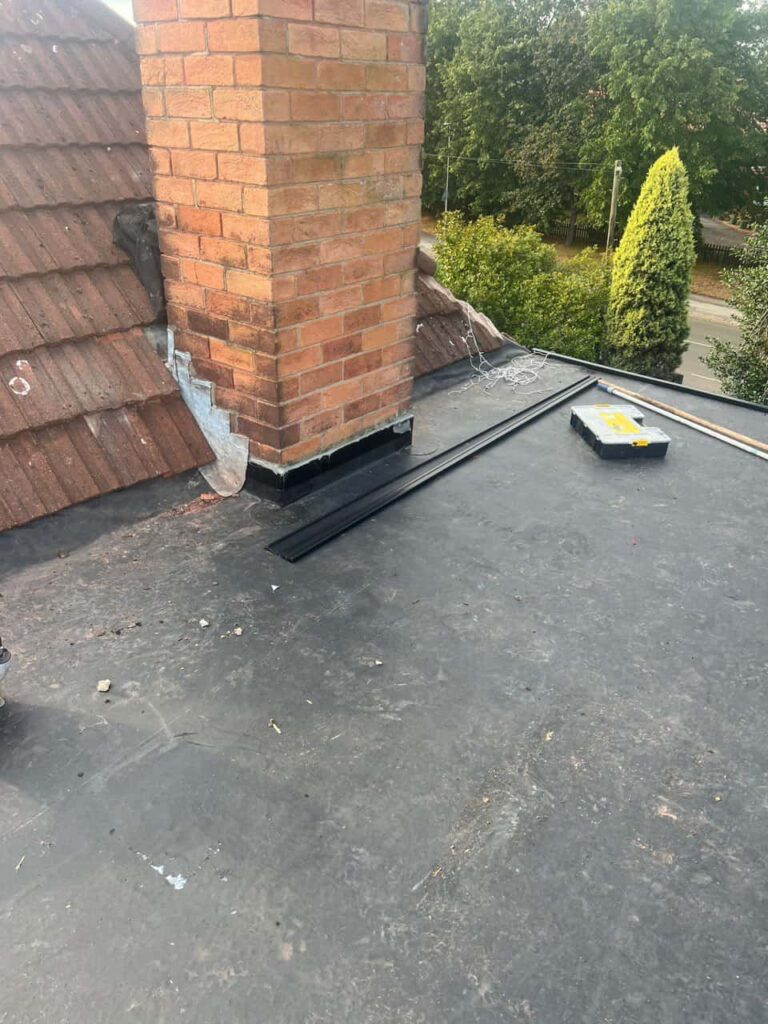
A roof can remain generally serviceable while developing several smaller defects in different areas. A slipped tile, minor flashing deterioration, worn mortar or a weakness around a roof junction may not appear particularly serious on its own. However, when several small problems exist at the same time, their combined effect can reduce the reliability of the roof and increase the likelihood of water ingress.
For property owners in March, Cambridgeshire, identifying and addressing these defects together can be an effective way to restore dependable roof performance. The important point is to establish which problems genuinely require attention, understand why they have developed and ensure repairs deal with the underlying causes rather than simply the visible symptoms.
Why Several Small Roof Problems Can Affect Overall Reliability
A roof functions as a complete weather-resistant system. Tiles or slates, ridges, hips, valleys, flashing, junctions and underlying materials all have specific roles in directing rainwater away from the property.
When one minor defect develops, the remaining roof may continue to perform effectively. When several weaknesses appear, however, there are more opportunities for water to reach vulnerable areas.
Addressing these defects as part of a coordinated repair can help restore continuity across the roof and prevent smaller weaknesses from gradually becoming more significant.
Small Defects Can Develop Into Larger Problems
Minor roofing defects do not necessarily remain minor.
A slightly displaced tile can expose materials beneath the roof covering. Deteriorating flashing can gradually allow moisture into a junction. Small areas of failing mortar can continue to weaken until surrounding components become less secure.
Once moisture reaches materials that should normally remain protected, deterioration can spread beyond the original defect. Dealing with problems while they remain limited can therefore help protect otherwise sound parts of the roof.
Several Problems May Have the Same Underlying Cause
What appears to be a collection of unrelated defects can sometimes result from the same underlying issue.
For example, several displaced tiles within one section may indicate deterioration of the fixings or supporting battens rather than individual tile failures. Similarly, several weaknesses around a roof junction may have developed because water has been repeatedly reaching the same general area.
This is why inspection is important before repair work begins. Understanding why several defects have appeared helps determine whether each one requires an individual repair or whether a broader problem needs to be addressed.
Damaged Tiles and Slates Should Be Considered Together
Tiles and slates rely on correct positioning and overlap to shed rainwater effectively.
A single damaged unit can often be repaired straightforwardly. If several nearby tiles or slates are cracked, loose or displaced, however, it is worth examining the entire affected section.
Simply correcting the most obvious defect could leave neighbouring weaknesses unchanged. Where appropriate, dealing with all damaged materials together can restore a more consistent protective covering.
The surrounding roof should also be inspected to confirm that otherwise serviceable materials remain secure.
Flashing and Junctions Are Particularly Important
Roof junctions are areas where different surfaces or materials meet, making correct detailing particularly important.
Flashing is commonly used to prevent water entering around these vulnerable areas. If flashing begins to deteriorate while nearby roofing materials are also showing signs of wear, treating only one component may not provide a complete solution.
A coordinated repair allows the whole junction to be assessed so that the relevant defects can be corrected together.
Valleys Need to Remain Clear and Dependable
Roof valleys handle water from adjoining roof slopes and can therefore be exposed to substantial volumes of rainfall.
Small defects around a valley can become particularly important because even limited deterioration may affect an area responsible for directing significant amounts of water away from the roof.
Where a valley problem exists alongside damaged surrounding materials, examining the entire area provides a clearer understanding of what needs repairing.
Multiple Small Leaks Deserve Closer Investigation
Water does not always enter a roof directly above the place where damp becomes visible inside the property.
Once beneath the roof covering, moisture can travel along structural components or other materials before appearing internally. As a result, several damp patches do not necessarily mean there are several completely separate leaks.
A professional roof assessment can help trace the likely routes of water ingress and identify the defects responsible. This is more effective than repeatedly treating the internal location where moisture happens to appear.
Previous Repairs Can Reveal a Pattern
A roof’s repair history can provide useful information about its current condition.
Occasional repairs over a long period are not necessarily a cause for concern. However, if several areas have already required attention and additional defects continue to develop, it is sensible to consider whether there is a wider pattern.
Previous repair areas should be checked alongside new defects to establish whether they remain sound and whether the latest problems are connected to broader deterioration.
Addressing Problems Together Does Not Mean Unnecessary Work
Finding several small defects does not mean every part of the roof requires intervention.
A professional assessment should distinguish between components that are genuinely defective and those that remain perfectly serviceable. Sound roofing materials should not require work simply because another area has deteriorated.
The purpose of considering several problems together is to ensure that all relevant weaknesses are understood before repairs are carried out. This can produce a more complete result without extending the work beyond what the roof actually requires.
Several Repairs Do Not Automatically Mean Roof Replacement
Multiple roofing defects can sometimes make property owners concerned that complete replacement is necessary. In many situations, this is not the case.
If the defects are limited and the surrounding roof remains in suitable condition, targeted repairs may restore dependable performance. The decision should be based on the condition of the roofing system rather than simply the number of individual faults found.
A thorough inspection is particularly valuable because it can establish whether deterioration is localised or widespread.
Why the Condition of the Surrounding Roof Matters
Repairing a defect successfully depends partly on the condition of the materials around it.
If surrounding tiles, slates, flashing and supporting components remain sound, a localised repair can often integrate effectively with the existing roof. If neighbouring materials are also deteriorating, the repair may need to cover a broader section.
Looking beyond the immediate defect helps ensure that repaired areas are connected to materials capable of continuing to perform reliably.
A Whole-Roof Assessment Can Provide a Clearer Picture
When several small problems have become apparent, inspecting the wider roof can help determine whether they are isolated or related.
An assessment may include the roof covering, ridges, hips, valleys, flashing, junctions, edges, previous repairs and visible signs of water penetration. Accessible underlying components can also provide useful information about how well the roof is performing.
This wider perspective helps prevent repair decisions from being based solely on whichever defect is easiest to see.
Good Roof Repairs Start With Accurate Diagnosis
The effectiveness of a repair depends heavily on identifying the actual cause of the problem.
Replacing a displaced tile may correct an isolated defect, but it will not provide a lasting solution if deteriorating fixings are causing repeated movement. Similarly, sealing one visible weakness may not resolve a leak if water is entering elsewhere.
At March Roofing Repairs, careful assessment forms an important part of our approach to roof repair. By examining the reported problem alongside surrounding roofing components, we can determine which areas genuinely need attention and recommend repairs appropriate to the condition of the roof.
Conclusion
Addressing several small roof problems together can improve reliability when those defects are affecting the roof’s ability to provide consistent protection. Correcting damaged coverings, deteriorating flashing, vulnerable junctions and other genuine weaknesses before they progress can also help protect surrounding materials from further deterioration.
The important factor is accurate diagnosis. Several small problems do not automatically indicate that a roof is failing or requires extensive work. They do, however, provide a good reason to assess the roof carefully and establish whether the defects are isolated or connected.
If you have noticed several roofing problems at your property in March, Cambridgeshire, contact March Roofing Repairs. Our team can assess the condition of your roof, identify the areas that genuinely require attention and recommend suitable repairs to help restore reliable performance.
Call us on: 01354 707 496
Click here to find out more about March Roofing Repairs
Click here to complete our contact form and see how we can help with your roofing needs.