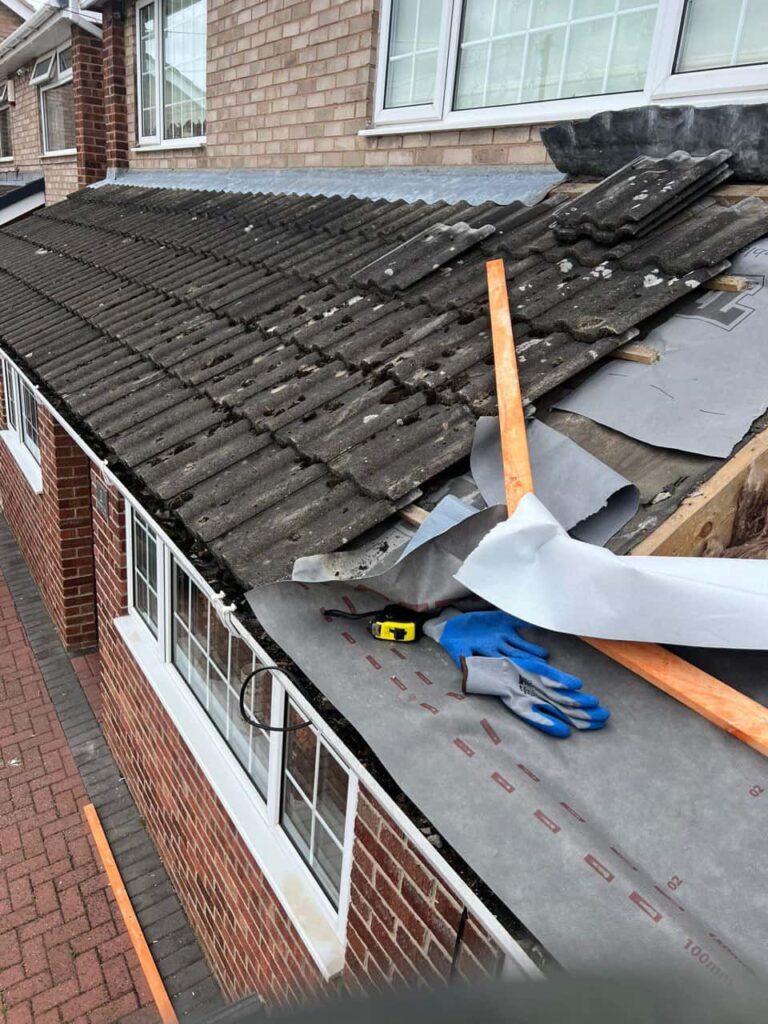
Sudden roof damage can leave a property vulnerable to water ingress, draughts and further structural deterioration. Whether caused by strong winds, heavy rainfall, falling branches or displaced roofing materials, the problem often requires prompt attention to protect the building and its contents.
For homeowners and property managers in March, Cambridgeshire, knowing what to do when a roof is damaged can help reduce further disruption. March Roofing Repairs provides professional roof repair services to identify the source of the problem and restore the roof’s protective function.
What Should You Do When Your Roof Is Suddenly Damaged?
When roof damage occurs unexpectedly, the priority is to keep people safe and limit further damage without putting yourself at risk. Taking a few sensible steps can help while you arrange professional assistance.
1. Check for Immediate Safety Risks
Before investigating the damage, consider whether the affected area is safe. Falling tiles, loose slates, damaged roof timbers and water entering electrical fittings can create serious hazards.
If you notice a sagging ceiling, extensive water ingress or signs that part of the roof structure may be unstable, keep people away from the affected area. If water is near electrical equipment, avoid touching it and seek appropriate professional assistance.
Never climb onto a damaged roof during strong winds, rainfall or other unsafe conditions. Roof inspections and temporary repairs are best left to trained professionals with suitable equipment.
2. Look for Signs of Water Ingress Indoors
Roof damage is not always immediately visible from the ground. Sometimes, the first indication is a damp patch on a ceiling, water running down an internal wall or dripping around a roof window.
If it is safe to do so, move furniture and belongings away from the affected area. Place a suitable container beneath minor drips where practical, provided there is no risk from ceiling instability or electrical hazards.
Take note of where the water appears and whether the affected area changes during rainfall. This information can help a roofer investigate the source of the leak.
3. Observe Visible Damage from the Ground
If conditions are safe, look at the roof from ground level to identify obvious signs of damage. These may include missing tiles, displaced slates, loose ridge tiles, damaged flashing or fallen branches resting on the roof.
Avoid attempting to retrieve debris or inspect roof coverings at close range. Damage that appears minor from the ground may conceal problems with the roof’s underlay, fixings or supporting structure.
Providing a clear description of what you have observed can help March Roofing Repairs understand the issue before carrying out a professional inspection.
4. Arrange Professional Emergency Roof Repairs
Once immediate safety measures have been taken, contact a professional roofing service to assess the damage. Prompt attention can help identify the entry point for water and determine which repairs are needed to protect the property.
Depending on the findings, work may involve replacing broken tiles, securing displaced roofing materials, repairing flashing or addressing damage around roof junctions. Where permanent repairs cannot be completed immediately, suitable temporary measures may be required to reduce further water ingress.
The correct response depends on the roof type, the extent of the damage and the prevailing conditions.
Common Causes of Sudden Roof Damage
Understanding how roof damage occurs can help property owners recognise when an urgent assessment may be needed.
Storms and Strong Winds
Strong winds can loosen roof tiles, dislodge ridge coverings and damage flashing around chimneys or roof edges. Even when only a small section is affected, exposed areas may allow rainwater to enter the roof structure.
After severe weather in March, Cambridgeshire, it is worth checking for visible changes from a safe position, particularly if you hear loose materials moving or notice new signs of damp indoors.
Heavy Rain and Roof Leaks
Persistent rainfall can expose weaknesses in roof coverings, damaged joints or deteriorated flashing. Water may travel along internal roof timbers before becoming visible on a ceiling, meaning the damp patch is not always directly beneath the point of entry.
A professional inspection helps trace the source of the leak rather than simply treating the visible water damage.
Falling Branches and Impact Damage
Branches or other falling debris can crack tiles, damage roof coverings and, in more serious cases, affect the roof’s supporting structure. If a large branch has struck the roof, avoid disturbing it and keep clear of any area where structural damage may have occurred.
The roof should be assessed before damaged materials or debris are removed.
Why Prompt Roof Repairs Matter
Delaying repairs can allow water to penetrate insulation, timber and internal finishes. Continued moisture may contribute to mould growth, timber deterioration and damage to ceilings or walls.
Addressing the cause promptly can help limit the spread of damage and reduce the likelihood of further repairs being needed. However, the extent of the problem should always be assessed properly, as visible signs of a leak may not reveal the full area affected.
Emergency repairs are intended to stabilise the situation and protect the property. Additional work may be required once the roof has been inspected thoroughly.
What to Expect from a Professional Roofing Assessment
A professional roofer will assess the visible roof coverings and investigate likely entry points for water. Depending on the circumstances, this may include checking tiles or slates, flashing, ridge coverings, roof valleys and other vulnerable junctions.
The roofer can then explain the damage identified and recommend appropriate repairs. If weather conditions or safety concerns prevent immediate permanent work, temporary protection may be considered until a full repair can be completed.
March Roofing Repairs can help homeowners in March, Cambridgeshire, address sudden roofing problems with a practical approach focused on protecting the property and restoring the roof’s condition.
Conclusion
Sudden roof damage should be handled carefully to protect people and prevent further deterioration. Keep away from unstable areas, avoid climbing onto the roof, take sensible steps to protect belongings where safe and arrange a professional assessment as soon as possible.
If your roof has suffered storm damage, developed a sudden leak or lost tiles or slates, March Roofing Repairs can help identify the problem and recommend suitable repairs. Contact the team to discuss your roofing issue and arrange professional assistance in March, Cambridgeshire.
Call us on: 01354 707 496
Click here to find out more about March Roofing Repairs
Click here to complete our contact form and see how we can help with your roofing needs.