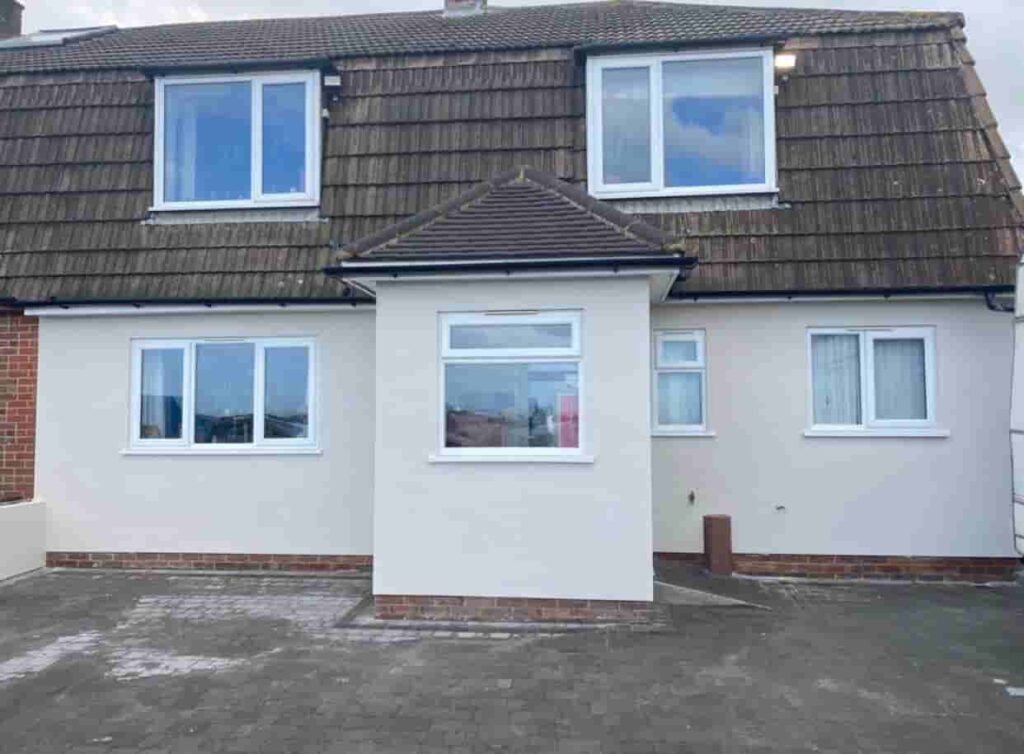
Felt roofing has long been a reliable solution for flat and low-pitched roofs, particularly on garages, extensions, and outbuildings. When installed correctly, it provides effective weather protection for many years. However, like all roofing materials, felt roofing has a finite lifespan and will eventually require upgrading to maintain proper performance.
For property owners in March, understanding when felt roofing should be upgraded helps prevent avoidable damage and ensures the roof continues to protect the building effectively.
Ageing Felt Roofing and Natural Wear
Over time, felt roofing gradually degrades due to constant exposure to weather conditions. Sunlight, temperature changes, and rainfall all contribute to the drying and weakening of the felt layers.
As felt ages, it may lose flexibility and become brittle. This natural decline reduces its ability to remain watertight, making an upgrade necessary once the material can no longer perform reliably.
Repeated or Persistent Leaks
Occasional localised issues can often be resolved with repairs. However, when leaks become frequent or reappear after previous repairs, this usually indicates that the felt roofing system as a whole is nearing the end of its service life.
Persistent water ingress suggests that the protective layers are no longer effective, and upgrading the felt roofing provides a more reliable long-term solution than continued patch repairs.
Cracking, Blistering, or Splitting
Visible surface damage is a strong indicator that felt roofing should be upgraded. Cracks, blisters, or splits allow water to penetrate beneath the surface, increasing the risk of damage to the underlying structure.
Once this type of deterioration becomes widespread, upgrading the roofing system helps restore full protection and reduces the likelihood of further moisture-related issues.
Ponding Water on Flat Roofs
Felt roofing should allow water to drain efficiently from the roof surface. If water begins to collect and remain on the roof after rainfall, it can accelerate wear and place additional strain on the felt layers.
Persistent ponding water is often a sign that the roofing system is no longer functioning as intended. Upgrading the felt roof can improve drainage performance and protect the structure beneath.
Deterioration of the Roof Deck Beneath
In some cases, issues with felt roofing only become apparent once moisture has affected the roof deck below. Softening of the deck or visible sagging may indicate prolonged exposure to water.
When the supporting structure has been compromised, upgrading the felt roofing system allows underlying issues to be addressed properly and prevents further deterioration.
Modern Felt Systems Offer Improved Performance
Advances in roofing materials mean that modern felt systems provide improved durability and weather resistance compared to older installations. Upgrading an ageing felt roof allows property owners to benefit from enhanced performance and longer-lasting protection.
For buildings in March, this can significantly improve roof reliability and reduce the risk of future issues.
Professional Assessment in March, Cambridgeshire
Determining the right time to upgrade felt roofing requires professional inspection. An experienced roofer can assess the condition of the felt, the roof deck, and drainage performance to provide clear guidance.
March Roofing Repairs provides professional felt roofing inspections, repairs, and upgrades for properties throughout March, Cambridgeshire. Careful assessment ensures that upgrades are carried out at the most appropriate time to protect the roof and the property.
Conclusion
Felt roofing should be upgraded when age-related deterioration, recurring leaks, surface damage, or drainage issues begin to affect performance. Continuing to rely on a worn felt roof increases the risk of water ingress and structural damage.
For property owners in March, upgrading felt roofing at the right time helps maintain a watertight roof and protects the building beneath it. Professional assessment ensures that decisions are based on the roof’s overall condition, providing confidence that the upgraded roofing system will deliver reliable, long-term protection.
Call us on: 01354 707 496
Click here to find out more about March Roofing Repairs
Click here to complete our contact form and see how we can help with your roofing needs.